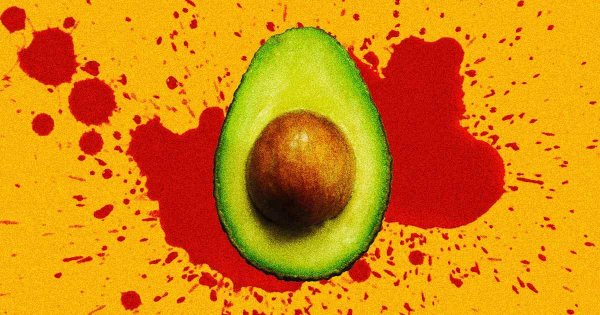
The booming U.S. demand for avocados is reshaping the landscape of western Mexico, where forests are being cleared at an alarming rate to make way for lucrative avocado orchards, according to a recent investigation by The New York Times. The report highlights that over 25,000 acres of oak and pine forest in the state of Michoacán, which existed in 2014, have since been converted to avocado cultivation, often illegally and under the shadow of violence and corruption.
This transformation is driven by the fact that 90 percent of avocados consumed in the United States come from Mexico, with the vast majority originating from Michoacán. U.S. imports of Mexican avocados have skyrocketed from 55 million pounds two decades ago to 2.25 billion pounds between 2019 and 2021, reflecting a dramatic surge in consumer appetite for the fruit.
While avocado trees are native to Mexico and have been cultivated for about 5,000 years, the current expansion is not about traditional farming. Instead, it involves razing entire forests that are rich in biodiversity and serve as vital carbon sinks, replacing them with monoculture plantations that are far more water-intensive. The report notes that these orchards require significantly more water than the forests they replace, leading to the illegal drilling of wells that divert irrigation away from local farmers growing tomatoes and other crops.
Beyond water scarcity, the avocado boom has brought with it a host of environmental and social problems. Unsustainable farming practices are degrading soil fertility, and the pressure to convert land has led to widespread illegal activity. Although government approval is technically required for land conversion, the report indicates that criminals and corrupt officials often bypass these regulations. In some cases, local officials accept bribes to look the other way, while landowners, farmers, and activists who oppose the illegal orchards face threats and physical assault.
The violence escalated in 2019 when criminals kidnapped people in the town of Zirahuén in Michoacán after residents opposed the establishment of avocado plantations. One victim told The New York Times, “The avocados you’re eating in the United States are bathed in blood.”
Why This Matters for Consumers
For American shoppers, the avocado in their grocery cart is likely part of a supply chain that has profound environmental and humanitarian consequences. The deforestation in Michoacán not only contributes to climate change by eliminating carbon sinks but also undermines local communities and ecosystems. As demand continues to grow, the pressure on Mexico's forests is unlikely to ease without significant intervention from both governments and the avocado industry.