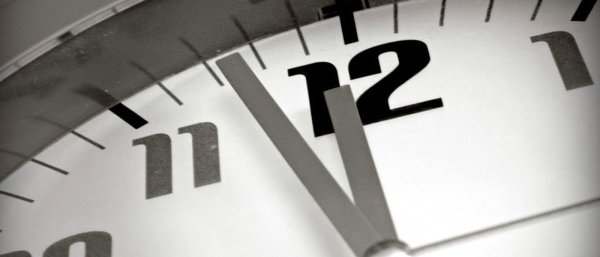
The Bulletin of the Atomic Scientists moved its symbolic Doomsday Clock to two minutes and thirty seconds before midnight on Thursday, signaling an elevated risk of global catastrophe from nuclear weapons and climate change. The adjustment, described as unprecedented in its urgency, places the clock closer to midnight than at any point since 1953, when the hands were set at two minutes following U.S. and Soviet hydrogen bomb tests.
Rachel Bronson, the organization's executive director and publisher, announced the new setting at a National Press Club event in Washington. “Make no mistake, this has been a difficult year,” she said, underscoring the gravity of the decision. The clock, originally established in 1947 by Manhattan Project scientists, was designed to monitor the likelihood of nuclear conflict. Its scope has since expanded to include climate change, cyber threats, and biological warfare.
Why the Hands Moved
The Science and Security Board of the Bulletin cited a global security landscape that “darkened” during 2016, as international efforts to address nuclear weapons and climate change fell short. The board’s statement pointed to a rise in strident nationalism worldwide, including in the U.S. presidential campaign, where the eventual winner, Donald Trump, made “disturbing comments” about nuclear weapons and expressed disbelief in climate science. The statement also noted that Trump’s nominees to lead the Energy Department and the Environmental Protection Agency dispute the fundamentals of climate science.
Bronson elaborated on the broader context, noting that the 70th anniversary of the clock coincided with an erosion of trust in information sources. “As trusted sources of information came under attack, fake news was on the rise, and words were used by a President-elect of the United States in cavalier and often reckless ways to address the twin threats of nuclear weapons and climate change,” she said.
Pathways to Turn Back the Clock
Despite the grim assessment, the Bulletin’s scientists emphasized that the clock can be moved back, as it was in the 1950s. They called for coordinated action on the core issues, particularly climate change. While the incoming U.S. administration may be taking a regressive stance, other actors are pushing forward. State lawmakers in Massachusetts, for example, recently introduced a bill requiring the state to rely entirely on renewable energy by 2050.
Internationally, nearly 200 countries have signed the Paris Climate Agreement, and renewable energy adoption is accelerating. Solar power projects are gaining traction, from Tesla’s solar microgrid on the island of Ta’u to Dubai’s goal of full solar dependence by 2030. Chile, meanwhile, has generated so much solar power that it has occasionally been given away for free.
Physicist Lawrence Krauss, speaking at the same event, delivered a stark reminder: “Facts are stubborn things and they must be taken into account if the future of humanity is to be preserved.” The Doomsday Clock, he suggested, serves as a necessary wake-up call—one that scientists hope will spur action before it is too late.