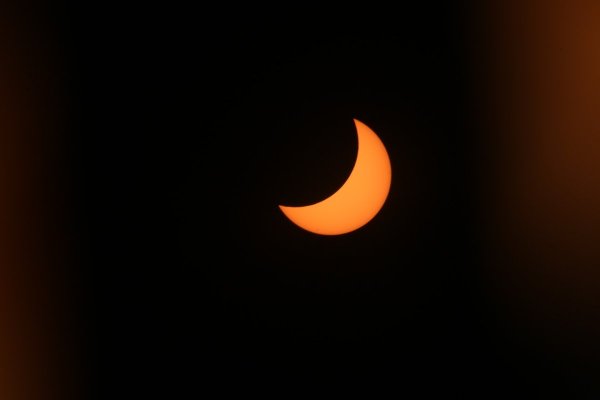
The United States is set to witness a rare celestial spectacle on August 21, 2017, as a total solar eclipse will sweep across the country from coast to coast—the first such event in nearly a century. For those without protective eyewear or a DIY viewing box, NASA and Facebook have partnered to bring the phenomenon live to screens worldwide.
The live stream will begin at noon EDT on Facebook, offering a safe alternative to direct viewing, which can cause irreversible eye damage without proper filters. A Facebook representative told Business Insider that this eclipse is "the most important astronomical event in the social media era," underscoring the significance of the digital broadcast.
Why This Eclipse Matters
Unlike recent eclipses that were visible only from Hawaii in 1991 or the Pacific Northwest in 1979, this event will traverse the entire continental U.S., making it accessible to millions. Bill Nye, CEO of the Planetary Society, emphasized the unifying power of the eclipse, stating, "Experiencing an eclipse changes the way we feel about space and how we are connected. I hope this moment reminds us all that we share a common origin among the stars, and that we are all citizens of the same planet."
Astronomers predict this will be one of the most shared events in history. Tyler Nordgren, an astronomer at the University of Redlands, told The Atlantic, "This will be the most photographed, most shared, most tweeted event in human history." The combination of widespread visibility and the reach of social media platforms is expected to generate unprecedented public engagement.
How to Watch Safely
For those who missed the rush to obtain eclipse glasses or construct a pinhole projector, the NASA-Facebook stream offers a convenient and safe viewing option. The broadcast will provide real-time coverage of the eclipse's path, allowing viewers to experience the event without risking their vision. Whether you're stuck in a basement office or simply unprepared, the live stream ensures no one misses out on this historic moment.
As the nation turns its eyes skyward, the collaboration between NASA and Facebook highlights the role of technology in democratizing access to astronomical events. With the eclipse set to unfold in a matter of hours, the message is clear: this is a moment for everyone, regardless of location or preparation.