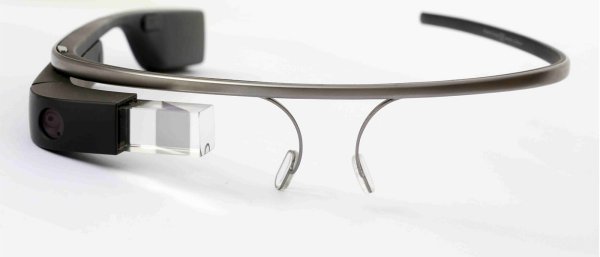
Boeing's research and technology division has completed a pilot program that used the original Google Glass to assemble aircraft wire harnesses, a task that typically demands meticulous manual labor. The experiment yielded a 25 percent reduction in production time and cut error rates in half, according to the company's internal findings.
The wire harnesses, which bundle thousands of electrical cables that route power and data through an aircraft, are notoriously difficult to build. Technicians traditionally follow PDF assembly guides displayed on laptop screens, a process that requires constant cross-referencing and careful hand placement. Boeing's test introduced Google Glass—the consumer version that was widely ridiculed before being discontinued—as a hands-free alternative.
Using an application called Skylight, workers scan a QR code to load the harness software, then scan another code to pull up the assembly instructions. The app supports voice commands, allowing a technician to speak a wire code and have the corresponding insertion slot appear in the Glass display. If a problem arises, the device can stream live video to an expert's laptop or play an instructional clip to guide the worker through the issue.
From Consumer Flop to Industrial Tool
The Boeing pilot is part of a broader trend: augmented reality headsets, which failed to win over consumers, are finding a foothold in specialized work environments. NASA and other private firms have expressed interest in adopting Glass or similar AR technology for production and operational tasks, according to reports from the time.
Google, for its part, has shifted its focus to enterprise applications. The company's next iteration of the device, developed under the code name Project Aura, has been spotted in leaked images and FCC filings, including an unintended listing on eBay. These glimpses suggest a design tailored for business use, with features aimed at durability and functionality in industrial settings.
The Boeing results underscore a practical value for AR in manufacturing, where precision and speed are critical. While the original Glass may have been a punchline in consumer circles, its role in the factory floor appears to be a legitimate success story—one that could pave the way for wider adoption of augmented reality in aviation and other industries.